
LET'SCONSERVATION

The fundamental threat to wildlife landscapes is broken money.
We can help fix it.
LET'S REVIEW
Solving conservation
The threats to wildlife landscapes have not changed in decades; arguably they are worse now than they’ve ever been- despite billions in funding.
The honest question for conservation therefore remains: are we making the impact required?
Some may argue that achieving a remedy is only a question of scale- just throw more money at the problem, or that it’s overpopulation, or rather that the politics and policies that are inhibitory.
Maybe the ultimate driver is not being addressed?
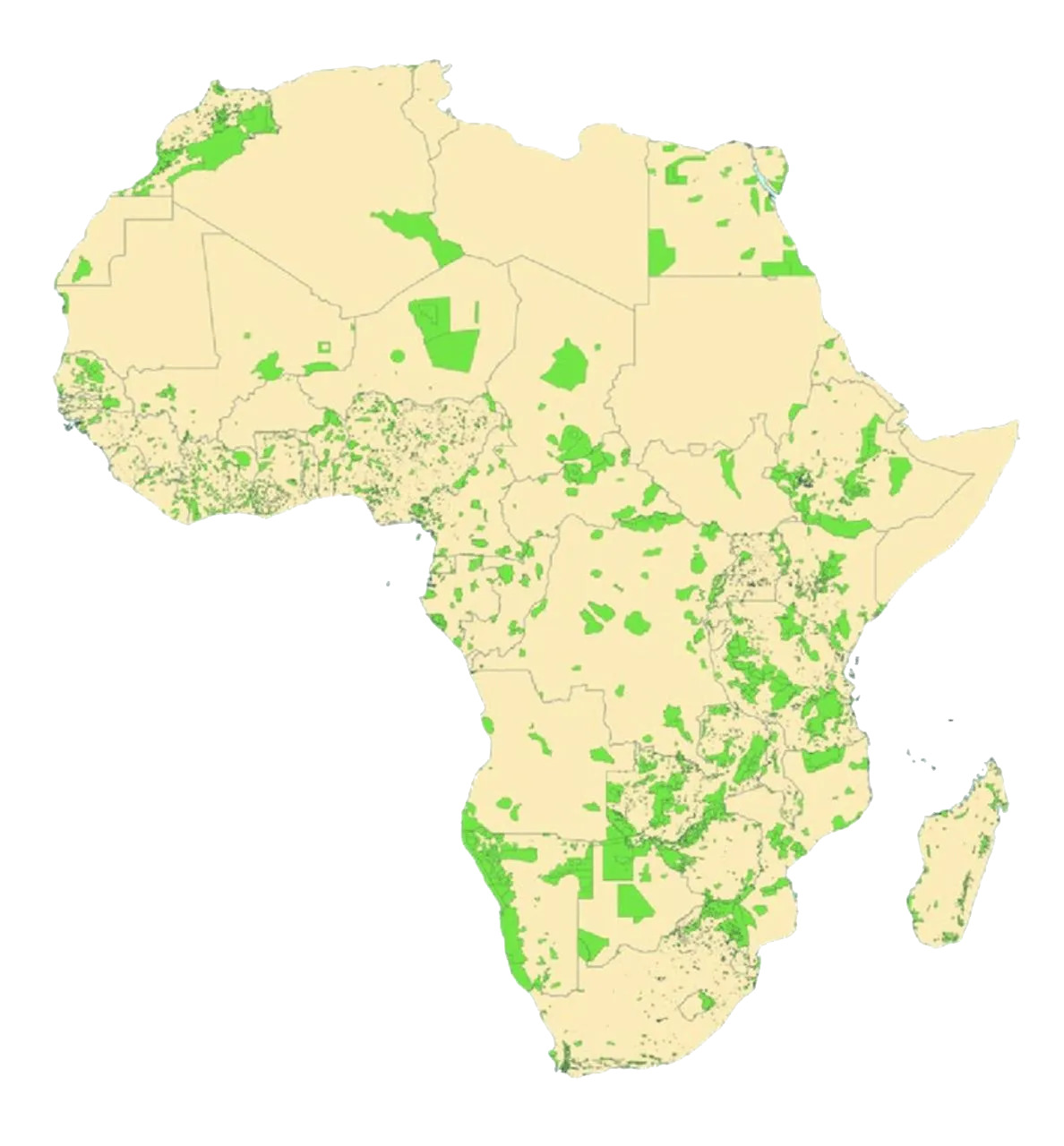
“82% of Africa’s savannah conservation land is failing or deteriorating.”
LET’S DIAGNOSE
Solving conservation


Photo by Annie Spratt on Unsplash
Deforestation
Forests and savannahs are cleared for timber, fuel, and grazing.

HIGH-TIME PREFERENCE
When individuals do not value their future enough, they prioritise short term gains, behaving with less concern for others and their future selves. Sometimes it’s for survival, sometimes it’s because they don’t value Nature as part of everyone’s future. Extraction today is valued more than stewardship for tomorrow.
LOW ECONOMIC FREEDOM
Economic freedom is the degree to which we are sovereign over our own labour & property. It is eroded by overt government regulations & bureaucracy, weak property rights, poor quality money, capital controls, collapsing rule-of-law, corruption & bribery.
BROKEN MONEY
A debt-based monetary system leads to currency debasement, price inflation/wage deflation, an increasing wealth gap and the inability to save. Investment (=risk) is required just to maintain the purchasing power of one’s earnings. Power centralises in the state whilst individual sovereignty is reduced- society slowly destablises with increasing anomie.
“We can’t save the wildlife, if we can’t save the people.
If conservation wants to solve socio-economic problems,
then we need to start understanding economics.”
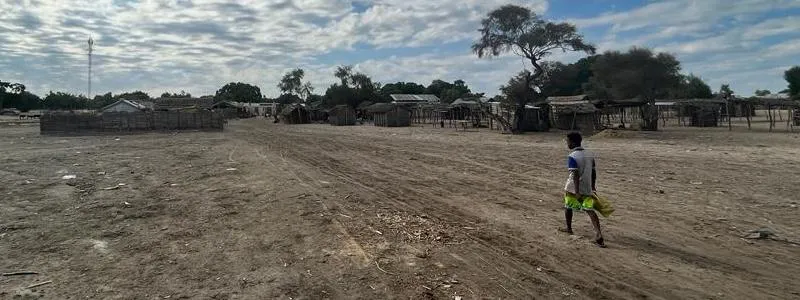
Efoetse, Madagascar.6000 people living in proximity to one of the last remaining populations of ring-tailed lemur.
What we do
Four ways we protect the wild
We combine field science, local employment, and open finance to deliver conservation that scales.
Wildlife monitoring
Track and protect endangered species with transparent, on-chain funding and real-time ranger reporting.
Community rangers
Train and equip local rangers using Bitcoin-backed grants that bypass slow legacy payment rails.
Habitat restoration
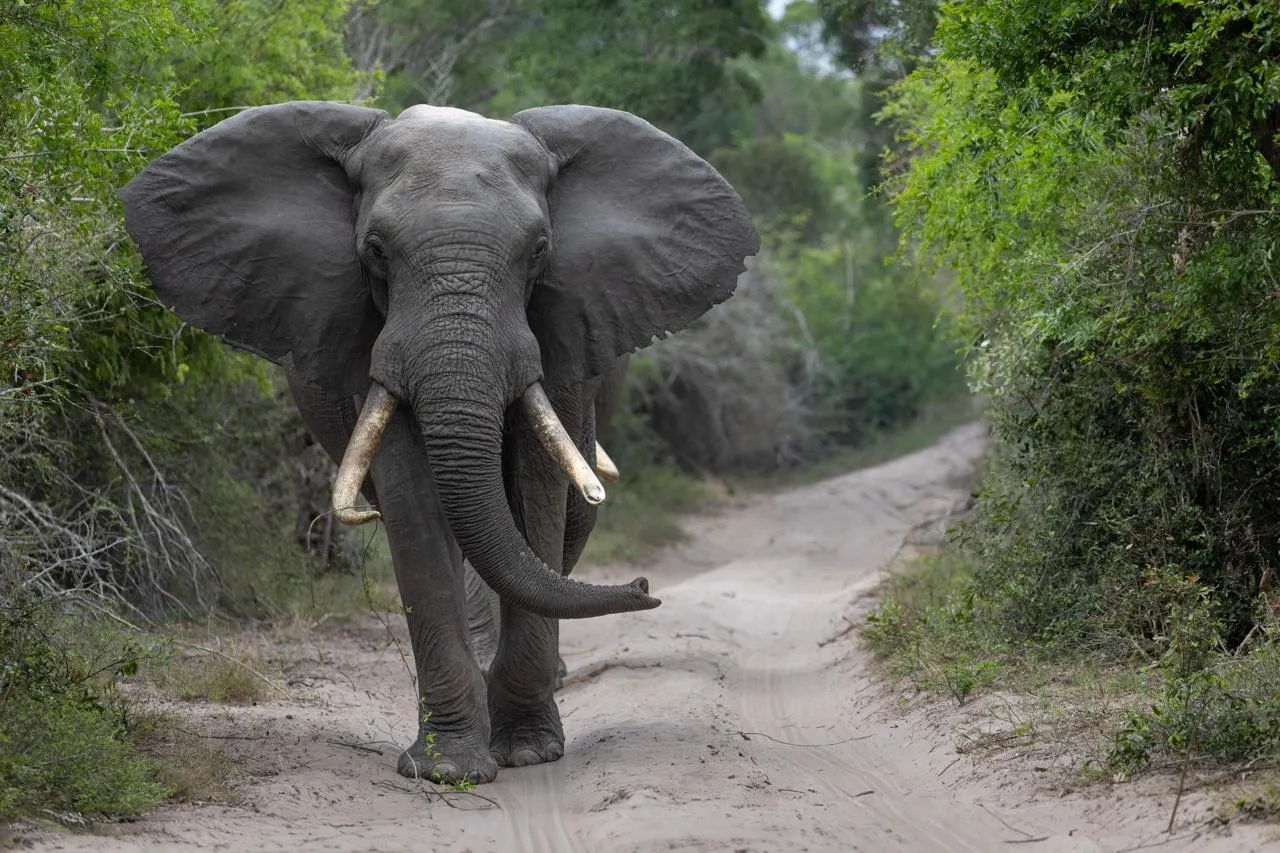
Restore the grasslands, waterholes, and corridors that elephants, lions, and rhinos depend on.
Education & outreach
Build conservation literacy in schools and villages so the next generation becomes the steward of the wild.
Impact
Impact you can verify
Every donation is traceable, every ranger salary is accounted for, and every hectare protected is logged on a public dashboard.
12,000+
Animals monitored
340
Rangers supported
8
Protected landscapes
100%
Donation transparency
On the ground
The landscapes, species, and people your support protects

Elephant patrol

Grassland giants
Photo by Wolfgang Hasselmann on Unsplash

Sunset migration
Photo by Mylon Ollila on Unsplash

Field work
Enquire
Join the mission
Get updates, partner with us, or ask how your Bitcoin can protect wildlife. We typically reply within one business day.
Email us directly
[email protected]